Guides
Is Early Direct Deposit a Payday Loan? How a Neobank Advances Your Paycheck
Early direct deposit finance app risk starts when payroll timing slips. Here are the failures that stay hidden for months, and how to prevent them.
What to take away
- Early direct deposit is not a loan in most cases. It is your own paycheck posted when the neobank sees the ACH file, often two days early.
- The risk is timing, not credit. If payroll runs late or the file is rejected, the money is not there and bills still clear.
- Some paycheck advance products are treated as credit under state lending law. Regulation Z may apply to certain structures, per the CFPB's Regulation Z text.
- The failure that hides for months is a slow drift into overdrafts and fees you never connect to the early posting.
- Fix it by keeping a one-paycheck buffer and reading the deposit agreement, not the marketing page.
The costly one
Situation: you switch your direct deposit to a neobank that promises payday two days early. You move rent, insurance and a car payment to land on that earlier date. For four months it works.
Consequence: the employer changes payroll processors, or a holiday shifts the ACH window. The deposit lands on the normal date. Your rent draft hits first and the account goes negative. One returned payment costs you a bank fee plus a late fee from the landlord.
Prevention: never move a fixed obligation to the early date. Keep due dates on the original schedule and treat the early money as buffer. A digital bank and finance app due-diligence checklist walks through the questions to ask before you switch.
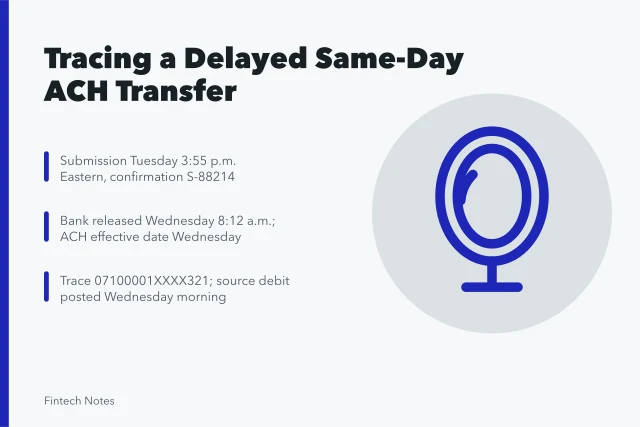
The early date is a forecast, not a contract. ACH settlement depends on when your employer submits the file.
The ones that look fine at first
Situation: the app shows the pending paycheck in your balance before the funds settle. You spend against it.
Consequence: the pending amount can reverse if the ACH entry is returned. Returned entries happen for wrong account numbers, closed accounts or a payroll reversal. You have already spent money that was never yours.
Prevention: check whether the balance shown is available or pending. Ask the support desk in writing. Save the answer.
Situation: you use the app's instant transfer to move money to a linked account. It arrives fast and feels free.
Consequence: instant transfers often carry a percentage fee, while standard ACH is free but slower. On a 2,000 dollar paycheck, a 1.5 percent instant fee is 30 dollars. Over a year that is real money.
Prevention: compare rails before you move cash. The bank transfer methods comparison sets out which rail is free and which is not.
Situation: you assume FDIC insurance covers everything in the app.
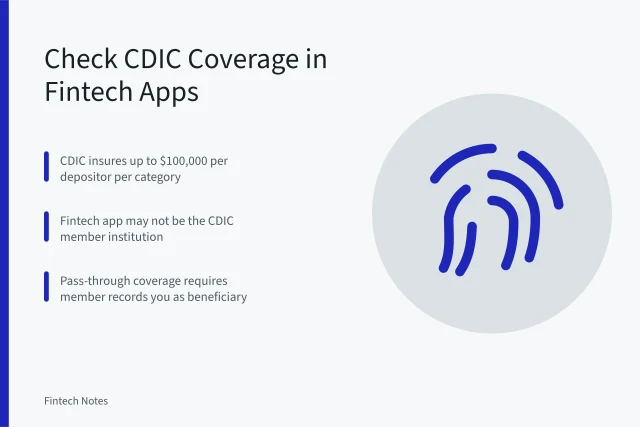
Consequence: insurance covers the balance at the partner bank, up to the standard limit, and only if the bank is a member. Funds held at a nonbank program manager may sit differently.
Prevention: read the FDIC deposit insurance resources and confirm which bank holds the deposit.
The ones that only show up later
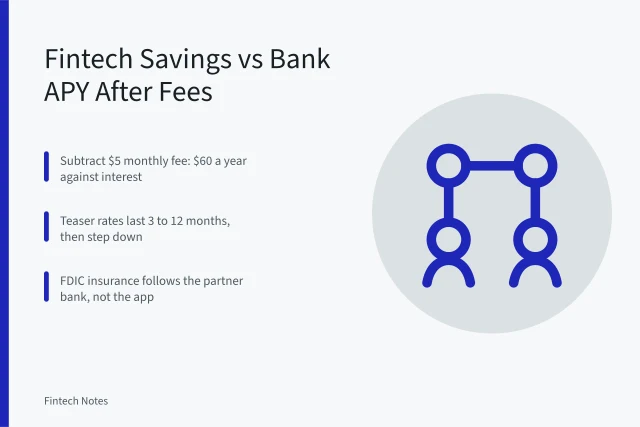
The mistake that stays invisible for months is fee drift. You start with a free account. Then you add a small instant transfer here, an out-of-network ATM fee there, and a monthly plan upgrade you forgot to cancel. None of it looks like a loan. Together it costs more than the payday advance you were trying to avoid.
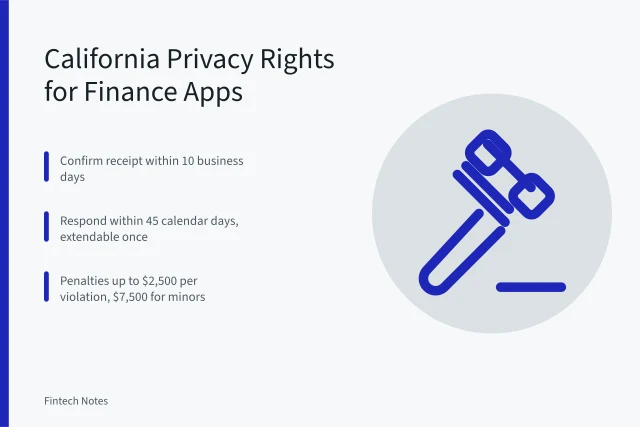
A second late-appearing failure is data. Many finance apps share transaction data with partners. You agreed at signup. Months later you wonder why insurance and loan offers track your spending. California residents can opt out under the CCPA, but the right depends on where you live.
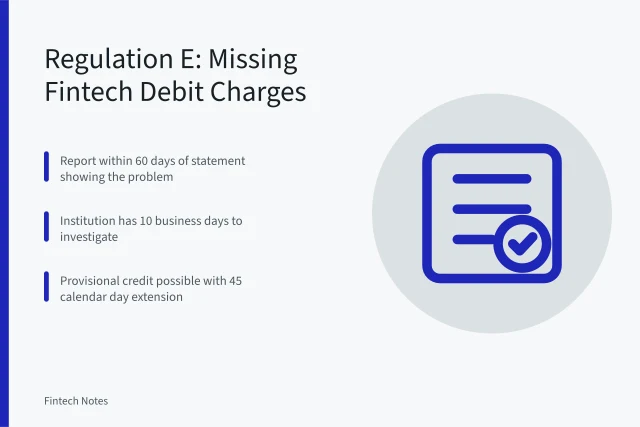
A third is dispute timing. If an unauthorized transfer hits after you move your paycheck, your error resolution rights run on a clock. Regulation E sets the deadlines, and the official Regulation E text explains them. Miss the window and you may carry the loss.
How early deposit differs from a payday loan
Early direct deposit
- Source of funds
- Your earned wages
- Cost
- Usually 0 dollars
- Repayment
- None, it is your pay
- Regulation
- Mostly deposit and transfer rules
- Risk if timing slips
- Overdraft and late fees
Payday loan
- Source of funds
- Lender's money
- Cost
- Often 15 to 30 dollars per 100 borrowed
- Repayment
- Due on next paycheck
- Regulation
- State lending law, some federal rules
- Risk if timing slips
- Rollover and deeper debt
The line blurs with earned wage access. Some products advance wages you have already earned, for a fee. Regulators have questioned whether those are loans. If a product charges a fee to access your own accrued pay, treat it as credit until you know otherwise. Background on payday lending helps you compare the structures.
What they have in common
Every failure above starts with a promise about speed and ends with a cost that arrives quietly. The fix is the same in each case:
- Confirm whether the balance is available or pending.
- Keep fixed bills on their original due dates.
- Price every transfer rail before using it.
- Check which bank holds your deposit and whether it is insured.
- Diary the Regulation E dispute window after any unauthorized transfer.
A one-paycheck buffer absorbs almost all of these. If you cannot hold a buffer, the early date is the wrong feature to build your budget on. The digital payment product evaluation checklist gives a short set of tests to run before you commit.